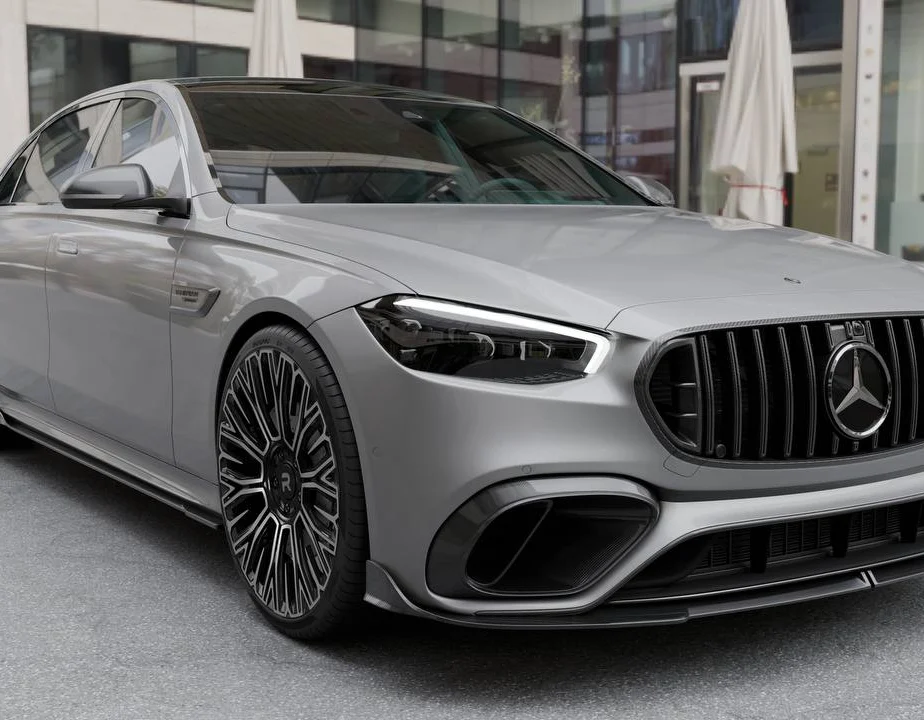
In premium car tuning, the most impressive result is not always the most aggressive one. A large splitter, wide body elements, exposed carbon fiber and oversized wheels can attract attention, but they do not automatically make a luxury car look better. Sometimes the opposite happens: the vehicle becomes visually heavier, less refined and less expensive than it looked in factory form.
This is why proportions matter more than aggression. In luxury car tuning, success depends on balance: how the body kit follows the original lines, how the wheels sit in the arches, how carbon exterior parts work with the body color, and whether the final result feels complete rather than forced.
Modern owners are not simply looking for louder styling. They want individuality, but they also want the car to keep its status, elegance and factory design logic. A premium body kit should not only make a vehicle look more aggressive. It should make the whole exterior look more intentional.
The Problem with Overly Aggressive Tuning
Aggressive tuning is not a problem by itself. On some cars, sharper lines and bolder exterior parts make sense. The issue begins when aggression becomes the only goal.
A luxury SUV or performance sedan already has a carefully designed visual language. Rolls-Royce, Mercedes-AMG, BMW M, Range Rover and Lexus do not need random aftermarket parts added only to look modified. If the front splitter is too large, the side skirts are too low, the rear diffuser is too complex and the wheels do not match the scale of the body, the entire project can start to look disconnected.
This is especially visible on large premium vehicles. A Rolls-Royce Cullinan can easily lose its quiet luxury if the exterior tuning becomes too loud. A Mercedes-AMG S63 W223 needs to preserve its executive character even when sharper carbon details are added. A Lexus LX600 can look more confident with a custom body kit, but excessive shapes may make the SUV look visually heavy.
Another common problem is excessive carbon fiber. Carbon is a premium material, but too much visible carbon can create visual noise. Instead of highlighting the car’s lines, it can break the surface into unrelated elements.
A luxury car body kit should not fight the original design. It should make the factory architecture look more expressive.
What Proportions Mean in Car Tuning
Proportions are not an abstract design concept. In exterior tuning for premium cars, they are the relationship between height, width, length, wheel size, stance and body lines.
A car may look lower not because the suspension has changed, but because the side skirts visually stretch the profile. It may look wider because the front splitter, rear diffuser and wheel fitment work together. It may look more expensive because every element follows the same design logic.
For example, the BMW M5 G90 already has strong proportions and an athletic stance. The right exterior upgrades should support this character, not make the body look overloaded. On the Rolls-Royce Cullinan Series II, the logic is different: the goal is not to make the SUV look like a sports car, but to add individuality while preserving its luxury identity.
This is where a premium body kit becomes more than a set of parts. It becomes a design tool. The front, side and rear elements should create one visual rhythm. When they work together, the car looks complete.
Why Luxury Cars Need a Different Tuning Logic
A luxury vehicle is not tuned in the same way as a track-focused sports car. A Rolls-Royce Cullinan, Mercedes-AMG S-Class, BMW XM, Range Rover or Lexus LX has a different purpose, different proportions and a different audience.
These cars already communicate status through size, comfort, presence and design restraint. If tuning becomes too loud, it can contradict the nature of the vehicle. This does not mean that premium cars should remain completely understated. It means that every modification must be controlled.
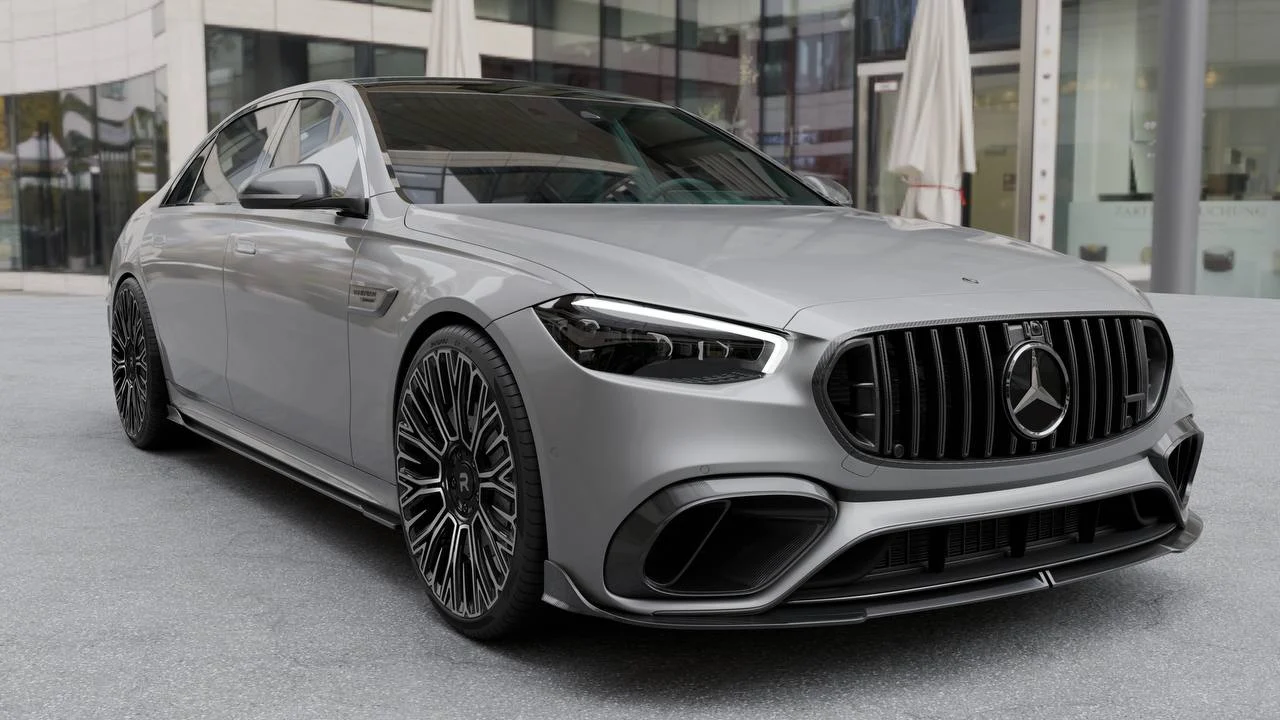
Luxury SUV tuning, for example, often works best when it makes the vehicle appear more planted, wider and more confident. Performance sedan tuning can be sharper, but it still has to respect the car’s original proportions. A Mercedes-AMG S63 can accept a carbon fiber body kit and forged wheels, but the final result should still feel like an executive AMG sedan, not a random show car.
Good luxury car tuning understands the difference between power and noise.
How Body Kits Change Visual Balance
A body kit changes the way a car is perceived long before it affects any technical aspect. Each element has a visual function.
A front splitter can make the front end appear lower and more focused. Side skirts can stretch the silhouette and connect the front and rear sections. A rear diffuser can add depth to the back of the car and support a more performance-oriented appearance. A spoiler can complete the profile if its size and angle match the body.
A premium body kit should not be chosen only by how aggressive it looks. The better question is whether the front splitter, side skirts, rear diffuser and spoiler work together with the original body lines.
Wide body elements require even more control. They can make a vehicle look stronger and more planted, but if they are too heavy visually, they can destroy the natural flow of the body. This is why a custom body kit for a luxury SUV should be developed around the proportions of the specific model, not adapted from a generic design idea.
A carbon fiber body kit works best when it is integrated into the whole exterior concept. Carbon should not feel like a separate decoration. It should support the lines, color, stance and overall mood of the car.
Wheel Fitment and Forged Wheels Matter as Much as the Body Kit
Even the best body kit can look unfinished with the wrong wheels.
Wheel fitment is one of the most important parts of premium exterior tuning. Diameter, width, offset, tire profile and concavity affect the entire stance of the vehicle. A car can have expensive carbon exterior parts, but if the wheels sit too deep inside the arches or look too small for the body, the project will not feel complete.
Forged wheels for luxury cars are not only about weight reduction. They help complete the stance, support the proportions of the body kit and make the entire exterior concept look finished.
For a large luxury SUV, the right forged wheels can make the body look more grounded and balanced. For a performance sedan, they can emphasize speed and precision without making the car look overloaded.
This is why wheel fitment should never be treated as a separate decision. It is part of the same visual architecture as the body kit.
OEM+ Tuning as the New Standard of Premium Customization
In modern premium car tuning, the most respected projects are often not the loudest. They are the most coherent.
OEM+ tuning has become popular because it respects the original vehicle. The idea is simple: improve the car in a way that feels natural. The lines remain clean, the materials feel appropriate, the fitment is precise and the final result looks intentional.
This approach works especially well for luxury vehicles because it keeps the sense of value. The car becomes more individual, but not less refined.
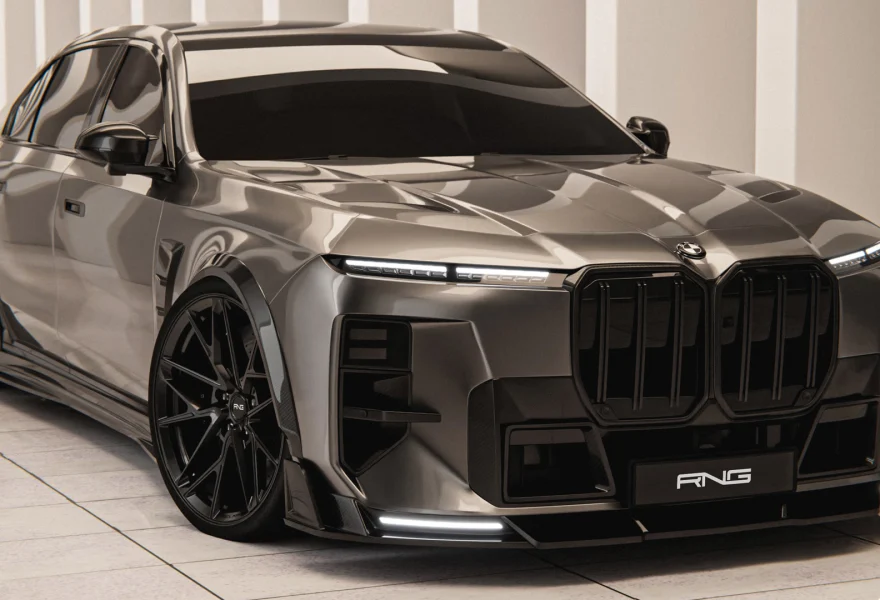
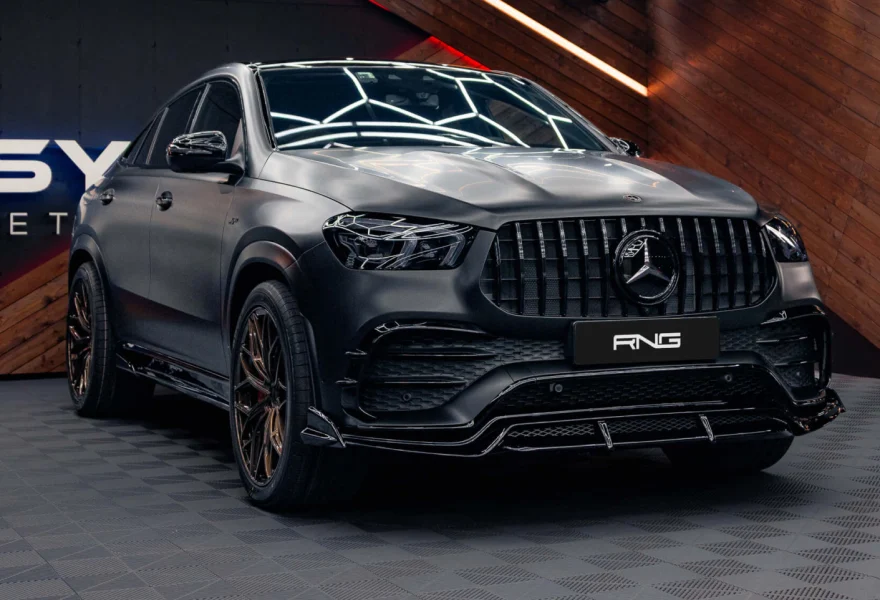
Studios such as RNG Design follow this direction by developing model-specific body kits, forged wheels and carbon exterior parts that work with the original architecture of premium cars instead of overpowering it.
How to Know If a Tuning Project Looks Balanced
A balanced tuning project is easy to recognize.
The front, side and rear sections look connected. The carbon parts follow the body lines rather than interrupting them. The wheels match the scale of the car. The stance feels confident, not exaggerated. The body color, carbon finish and wheel finish work together.
There is no sense that parts were chosen separately and installed without a concept.
A good project also looks appropriate from different angles. Some cars look impressive from the front but unfinished from the side. Others have strong wheels but weak rear proportions. Premium tuning should work as a complete composition.
The final question is simple: does the car look more expensive and more personal, or only more aggressive?
Aggression can be part of premium car tuning, but it should never be the foundation. Proportions, wheel fitment, materials and design balance are what make a luxury vehicle look truly refined after customization.
A successful body kit does not shout over the car’s identity. It reveals it more clearly. Forged wheels, carbon exterior parts and custom details should work together to create a complete visual concept.
The best premium tuning makes the car look like itself — only more precise, more individual and more memorable.